Introduction
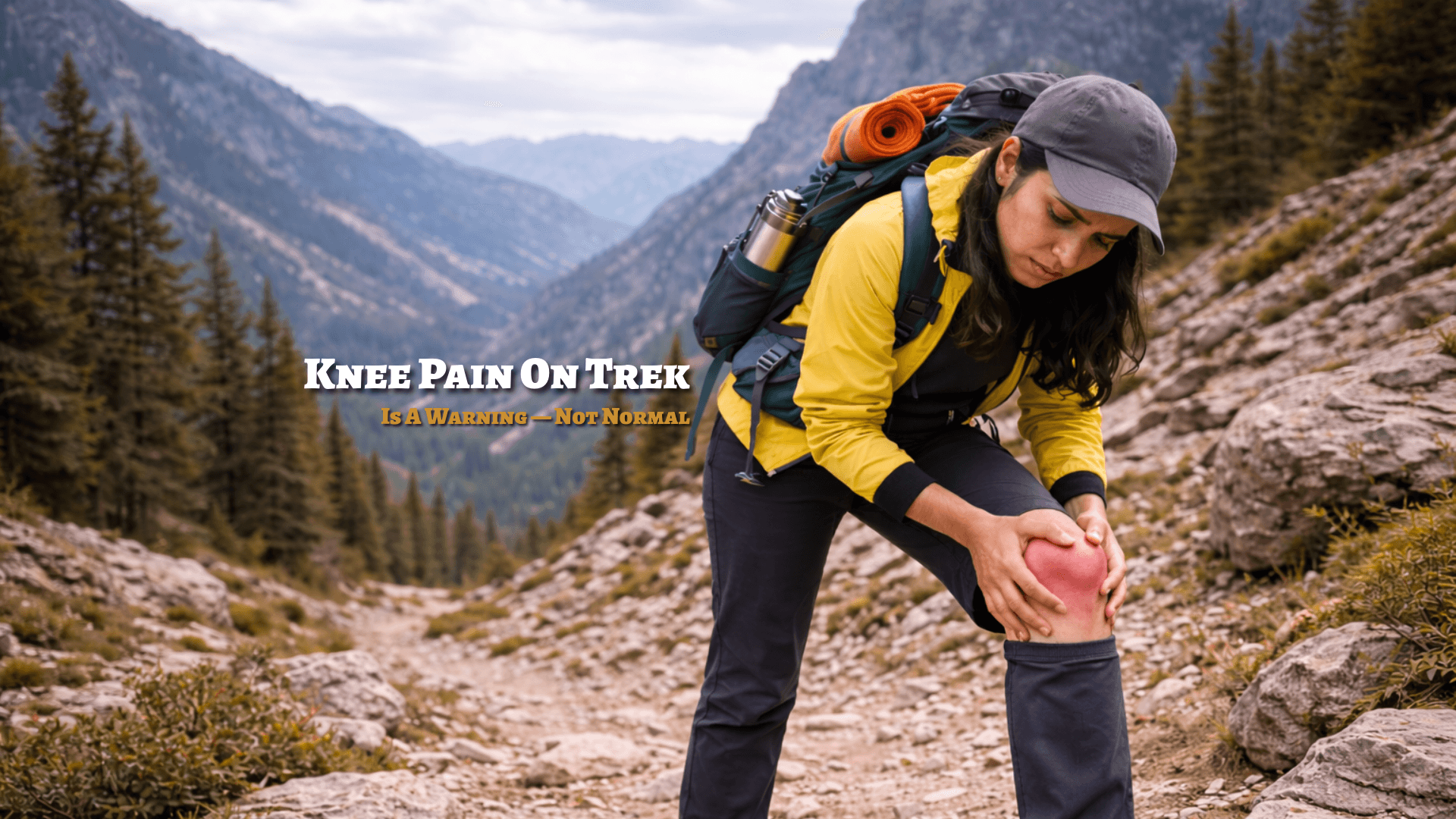
Knee pain during trekking is one of the most common yet most overlooked issues faced by trekkers of all experience levels. Whether you’re a beginner or an experienced adventurer, discomfort around the knee joint—especially while descending—is your body’s way of signaling that something needs attention.
According to physiotherapy and biomechanical research, the knee joint can experience forces equal to three to four times your body weight while walking downhill. Add a heavy backpack, poor footwear, muscle weakness, and long trekking hours, and the stress on your knees increases significantly. Over time, this can lead to pain, inflammation, and even long-term joint injuries.
This article, reviewed from a physiotherapy and trekking safety perspective, explains why knee pain occurs during treks, how to prevent it, and how to prepare your body before hitting the trail.
Why Does Knee Pain Occur During Trekking?
1. Increased Load During Descents
Descending is biomechanically more demanding than climbing uphill. Every downhill step places significant stress on the knee joint, particularly the patellofemoral joint (the kneecap area).
Carrying a heavy backpack further increases this load, placing extra pressure on the cartilage and surrounding soft tissues.
2. Weak Supporting Muscles
Your knees depend on the surrounding muscles for stability and shock absorption. The most important muscle groups include:
- Quadriceps
- Hamstrings
- Gluteal muscles
- Calf muscles
If these muscles are weak or undertrained, they cannot absorb impact effectively, forcing the knee joint to bear excessive stress.
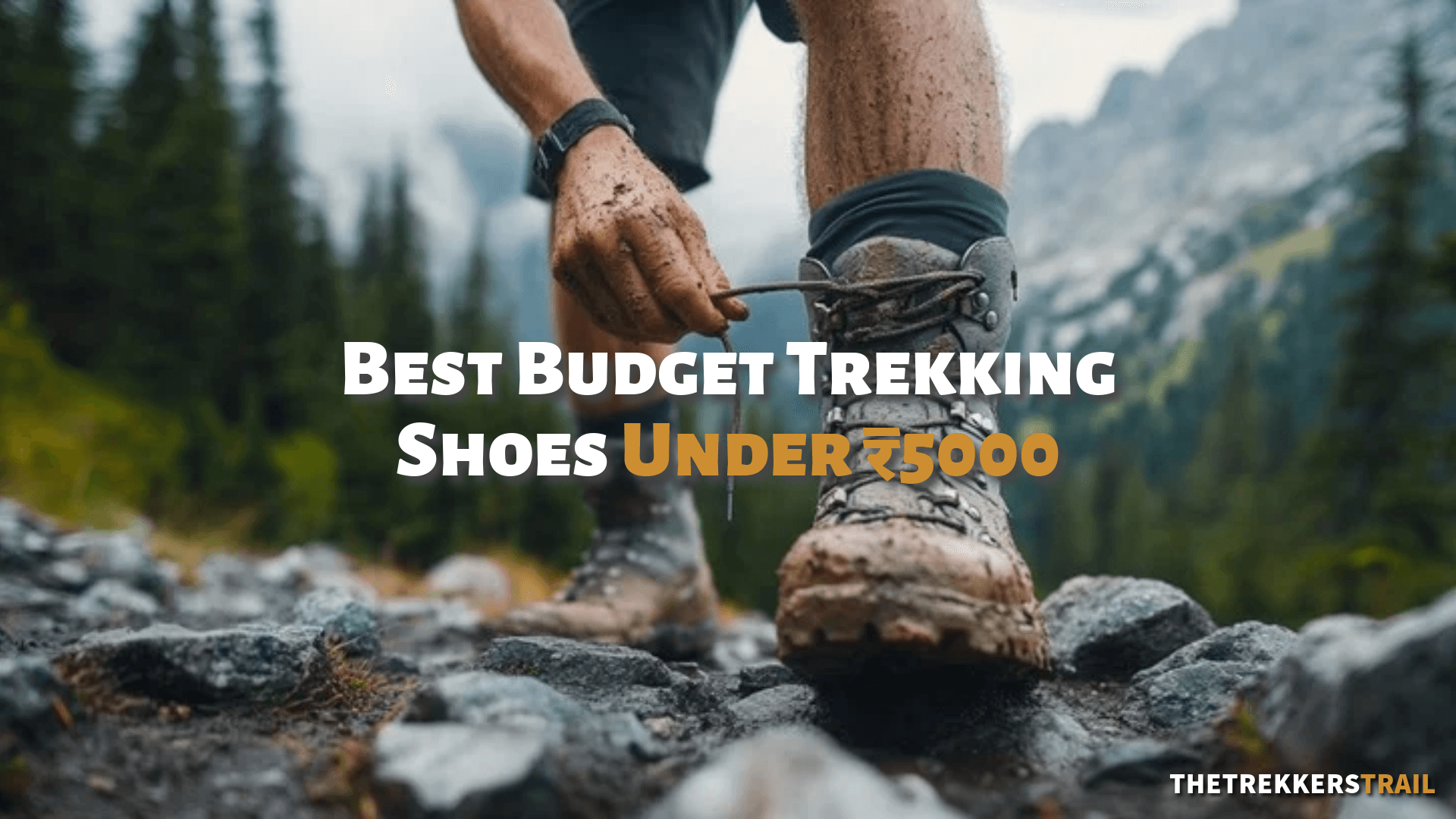
3. Poor Footwear
Wearing inappropriate trekking shoes with inadequate cushioning, poor grip, or an improper fit can increase impact forces and reduce stability on uneven terrain. This often results in inefficient walking mechanics and greater strain on the knees.
Choose trekking shoes that provide:
- Good cushioning
- Excellent traction
- Proper ankle support
- A comfortable, secure fit
4. Cold Weather and Muscle Stiffness
Cold temperatures reduce muscle flexibility and may make joints feel stiffer. When muscles are less flexible, they absorb less shock, increasing the risk of knee pain—especially during early morning trekking.
A proper warm-up before starting your trek can help reduce this risk.
5. Lack of Physical Conditioning
Many trekkers underestimate the physical demands of multi-day hikes. Long trekking hours without adequate preparation can lead to overuse injuries, with knee pain gradually worsening if ignored.
Common Symptoms You Shouldn’t Ignore
Watch for the following warning signs:
- Pain around or below the kneecap
- Knee stiffness after descending
- Swelling or warmth around the joint
- Difficulty bending or straightening the knee
- Pain that continues after the trek
Remember: Knee pain is not simply a sign of tiredness. Persistent pain indicates that your knee may be under excessive stress or injured.
Expert-Backed Ways to Prevent Knee Pain
1. Use Trekking Poles Properly
Trekking poles help distribute body weight between your upper and lower body, reducing stress on the knees during descents while improving balance and stability.
2. Improve Your Descending Technique
Avoid jumping or taking large downhill steps.
Instead:
- Take short, controlled steps.
- Keep your knees slightly bent.
- Maintain an upright posture.
- Avoid locking your knees.
These techniques help minimize impact forces on the knee joint.
3. Wear Proper Trekking Shoes
Quality trekking shoes are one of the best investments for joint protection. Look for footwear with:
- Adequate cushioning
- Reliable grip
- Good ankle support
- Proper fit
Replacing worn-out shoes before a major trek is equally important.
4. Keep Your Backpack Light
Every extra kilogram in your backpack increases the load on your knees.
Pack only essential items and aim to keep your backpack weight appropriate for the difficulty and duration of your trek.
Pre-Trek Strength Training: Your Best Injury Prevention Strategy
Strength training should begin at least 4–6 weeks before your trek.
Focus on strengthening the muscles that support your knees:
- Quadriceps
- Gluteus maximus
- Gluteus medius
- Hamstrings
- Calf muscles
Recommended Exercises
Include the following exercises in your training routine:
- Squats
- Lunges
- Step-ups
- Wall sits
- Calf raises
These exercises improve lower-body strength, balance, endurance, and shock absorption, helping reduce stress on the knee joint during trekking.
Don’t Forget Post-Trek Recovery
Recovery plays a crucial role in preventing long-term injuries.
After your trek:
- Stretch your quadriceps, hamstrings, calves, and hip muscles.
- Apply ice if mild swelling develops.
- Stay well hydrated.
- Get adequate rest before returning to strenuous activity.
Listening to your body during recovery helps prevent small problems from becoming chronic injuries.
When Should You See a Physiotherapist?
Seek professional medical advice if your knee pain:
- Persists for more than a few days
- Becomes worse with activity
- Causes noticeable swelling
- Makes the knee feel unstable or gives way
- Prevents normal walking or daily activities
Early assessment and treatment can prevent more serious injuries and speed up recovery.
Final Thoughts
Knee pain during trekking is common, but it should never be ignored. With proper physical preparation, good trekking technique, supportive footwear, sensible backpack weight, and adequate recovery, most cases of trekking-related knee pain can be prevented.
Investing a few weeks in strength training before your trek can significantly improve your comfort, performance, and safety on the trail—allowing you to enjoy the mountains with greater confidence.
Medical Disclaimer
This article is intended for educational and informational purposes only and should not be considered a substitute for professional medical advice, diagnosis, or treatment.
Always consult a qualified physiotherapist, orthopedic specialist, or healthcare professional before starting a new exercise program or if you experience persistent knee pain, swelling, or injury.